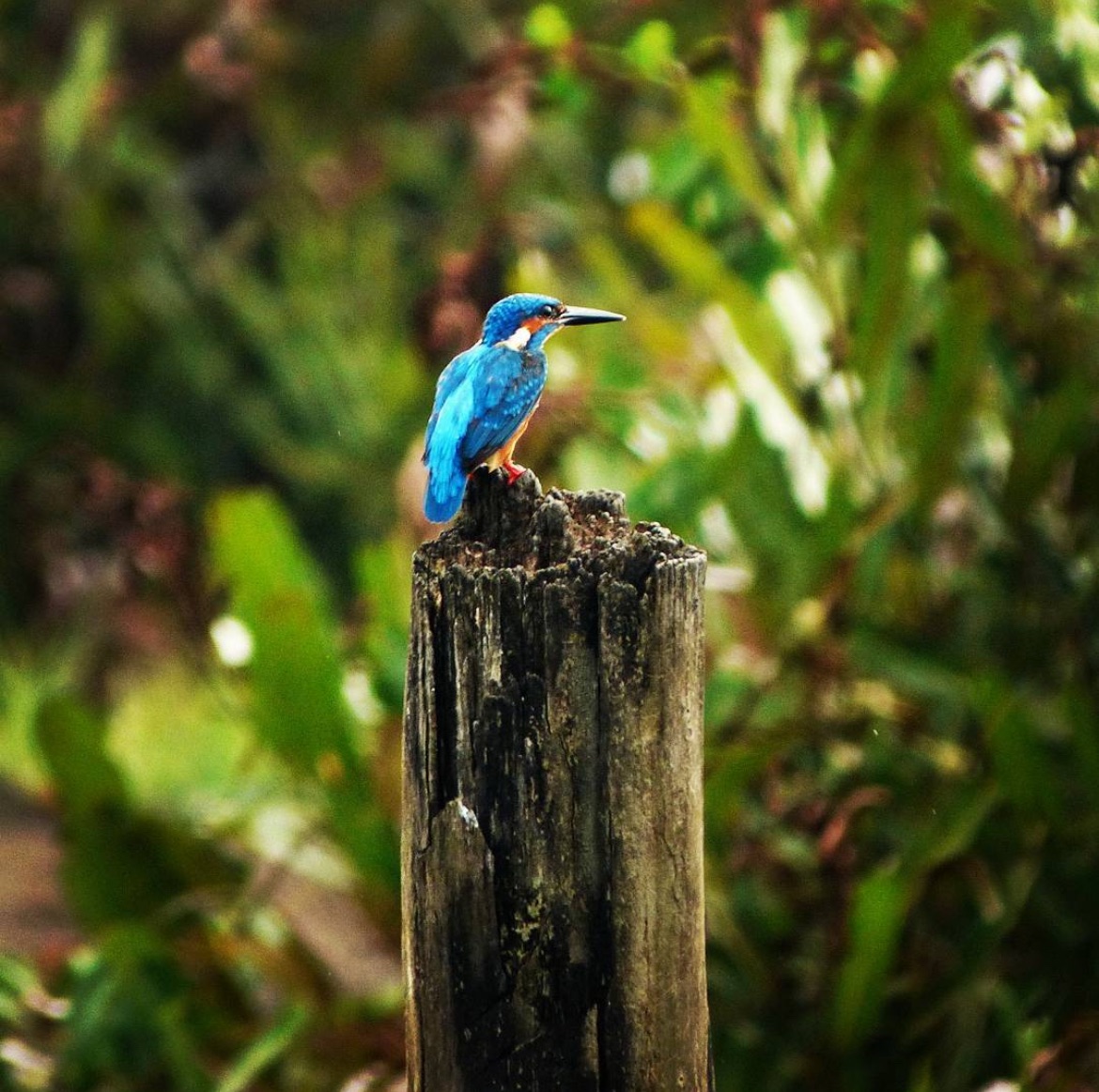
An appeal to protect Kadamakkudy Islands
Conscious attention from tourism policymakers is essential to promote sustainable tourism in and around Kadamakkudy Islands because this is not a conventional mass-tourism destination—it is a fragile ecological and cultural landscape. Unplanned tourism can quickly damage the very assets that make Kadamakkudy special.
Here are the key reasons:
1. Kadamakkudy is an ecologically sensitive wetland ecosystem
The islands are part of the backwater ecosystem connected to the Vembanad Lake and surrounding mangroves, marshlands, and shallow water bodies. This habitat supports:
- Migratory birds
- Fish breeding zones
- Mangrove biodiversity
- Sensitive aquatic ecosystems


Excessive boating, littering, plastic waste, and poorly managed tourism infrastructure can disturb this ecological balance.


2. Its biggest attraction is tranquility—not commercial entertainment
Unlike heavily commercialized destinations, Kadamakkudy Islands attracts visitors because of:
- Quiet village life
- Scenic waterways
- Birdwatching
- Cycling routes
- Traditional fishing culture
- Stunning sunrises and sunsets
Over-commercialization can destroy this core appeal. If tourism turns noisy, crowded, and heavily built-up, Kadamakkudy loses its identity.
3. Bird habitats need protection
Kadamakkudy is a paradise for bird lovers and photographers. Many species depend on these wetlands for feeding, nesting, and migration stops.
Unregulated tourism activities such as:
- Loud music
- Speed boating
- Drone usage
- Encroachment into nesting areas
can severely affect bird populations.

4. Local livelihoods must benefit
Tourism should strengthen local communities—not displace them.
The local economy includes:
- Fishing
- Small-scale farming
- Toddy shops
- Local food businesses
- Country boat services
Policy intervention is needed to ensure tourism revenue reaches residents through:
- Homestays
- Guided village walks
- Birding tours
- Local food experiences
- Eco-friendly transport
Without policy support, outside commercial operators may capture most benefits.
5. Infrastructure development must be carefully planned
Better access is important, but uncontrolled infrastructure can create long-term problems:
- Traffic congestion
- Waste accumulation
- Water pollution
- Real estate pressure
- Loss of wetlands


Tourism planning must prioritize:
- Waste management
- Controlled parking
- Eco-friendly mobility
- Regulated boating
- Carrying-capacity limits
6. Sustainable tourism requires policy, not accidental growth
Tourism is already growing through social media, photography, and word-of-mouth. Without planning, growth becomes chaotic.
Policy makers need to define:
- What kind of tourism is encouraged
- What activities are restricted
- Maximum visitor load
- Conservation priorities
- Community participation framework
This ensures tourism grows responsibly.
7. Kadamakkudy can become a model for responsible tourism in Kerala
Kerala is globally recognized for responsible tourism initiatives. Kadamakkudy has the potential to become a benchmark destination for:
- Eco-tourism
- Slow tourism
- Bird tourism
- Community tourism
- Photography tourism
If managed well, it can attract mindful travelers seeking authentic experiences.
The core message
Kadamakkudy should not become another crowded tourist hotspot.
Its future lies in preserving what makes it unique—its silence, biodiversity, waterways, and community life.
Sustainable tourism policy is therefore not just about promoting tourism.
It is about protecting the soul of Kadamakkudy Islands while creating meaningful economic opportunities for its people.